Life in Japan
What is Life in Japan Really Like?
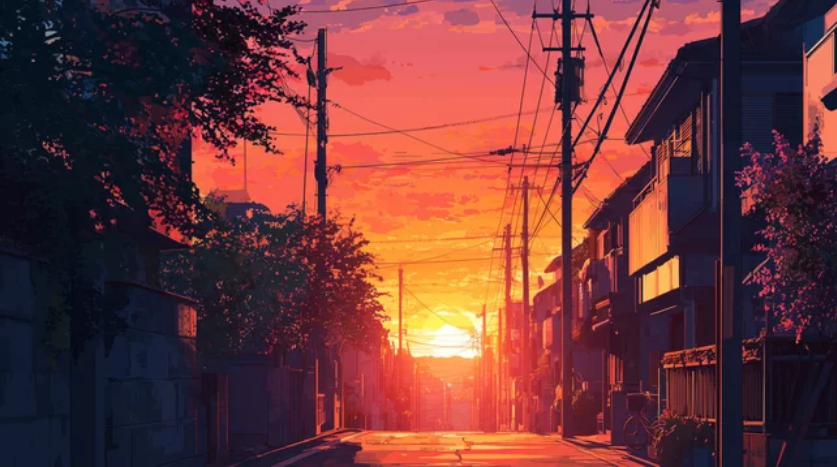
You’ve probably heard the phrase, “Vacationing in Japan and living in Japan are completely different experiences.” This is most likely true. When you visit a country as a tourist, everything feels exciting and new—the convenience, cleanliness, efficiency, public transportation, and how orderly everything seems. At some point, you might even think, “Maybe I should move here.”
Fast forward a couple of years: you’ve studied Japanese, found a job in Japan, and finally made the move. You are no longer a tourist; you are living a normal life in Japan as a foreigner. So how will it feel then? How different is daily life compared to when you were here as a tourist? The answer depends on the individual, but generally, most people find the experience quite different. Japan being a convenient and clean country will likely remain true, but the feeling of novelty fades away. Routines set in, things start to feel repetitive, and daily life begins to feel… normal. Some aspects you might get tired of; others you might never tire of.
In this article, I will break down what living in Japan as a foreigner is really like. I will also share practical insights and highlight important things to keep in mind before turning your dream of living in Japan into just another ordinary day.
The Honeymoon Phase

When first moving to Japan, many people experience what is often called the honeymoon phase. During this phase, everything feels fresh and exciting, almost unreal. You may not even know where to start with your new life. You begin with typical tourist activities: Shibuya Crossing, exploring Odaiba, visiting neighborhoods after class or work (depending on your visa), spending money at conveyor sushi restaurants and local ramen shops, and attending your favorite events. It feels almost impossible to imagine getting used to this new life.
But eventually, you do.
After a few months, the dopamine starts to fade. Japan begins to feel less like a constant adventure and more like what it actually is: a normal country where everyone is living a regular life. This is a natural shift that happens to nearly everyone.
It is best to be aware of this phase. If anything, it is not considered a bad thing; it is something expected when moving to a country like Japan. At the same time, it is crucial to be mindful of your behavior during this period, as it is easy to overspend and neglect your priorities.
If you are in Japan on a student visa, don’t take the experience for granted. Your primary purpose should be your studies. For example, if you have a test on the same day as your favorite music event, it is best to consider skipping the event. Also, if you notice you are overspending on conveyor-belt sushi, try cooking at home more often. Small decisions like these make a big difference over time. The honeymoon phase is almost inevitable for most people who have wanted to move here. Just remember that it will pass. Be conscious of your choices, keep your long-term goals in mind, and allow yourself to settle into life in Japan in a balanced, sustainable way.
Daily Conveniences in Japan
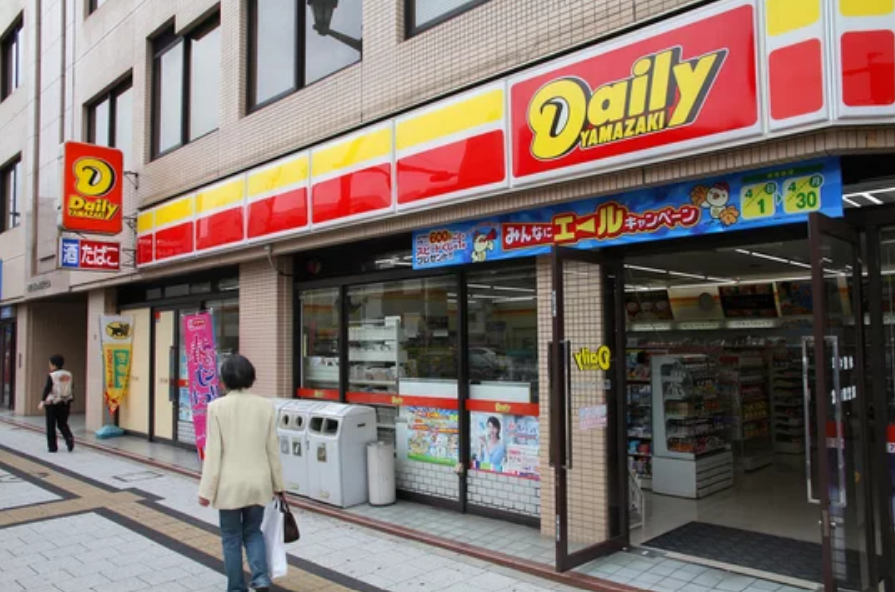
As you navigate through Japan, you will realize how incredibly convenient everyday life is. No matter where you go, small details are thoughtfully designed to make your life easier. There are too many to list, but here are some of the most convenient things you’ll notice during your move to Japan
Public Transportation
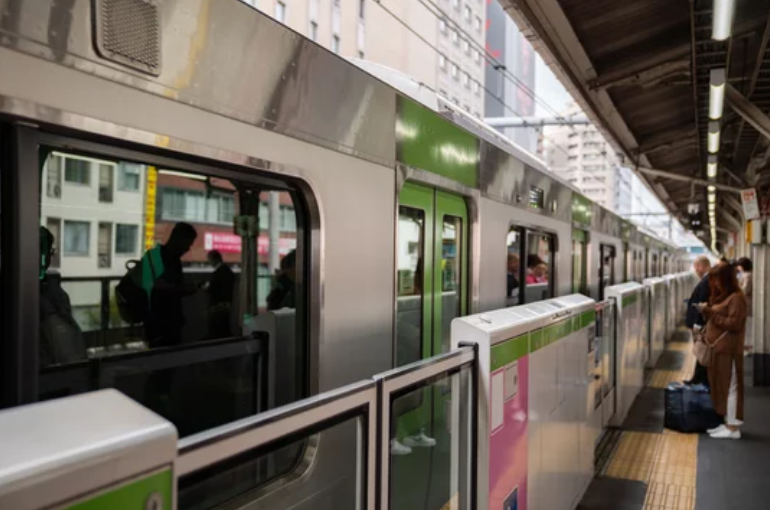
Train stations are everywhere, making it easy to travel from place to place. With tools such as Google Maps, navigating even complex routes feels surprisingly stress-free. Trains are famously punctual, as they are almost always expected to arrive on time rather than being the exception.
JR Lines are one of the most common railway companies across Japan, and getting around is even simpler with an IC card such as Suica or PASMO. These cards work across most train lines and buses nationwide, regardless of the operator (the exception being the Shinkansen, which is the bullet train).
Bus stops are just as common and efficient. IC cards can also be used for buses. During the “honeymoon phase” of living in Japan, you may find the public transportation system so efficient that you might not feel the need to drive anymore. It is also easy to overspend, as traveling to places costs money. Therefore, it is important to be mindful of where you go and budget accordingly, especially when planning long-distance trips.
Payment Methods
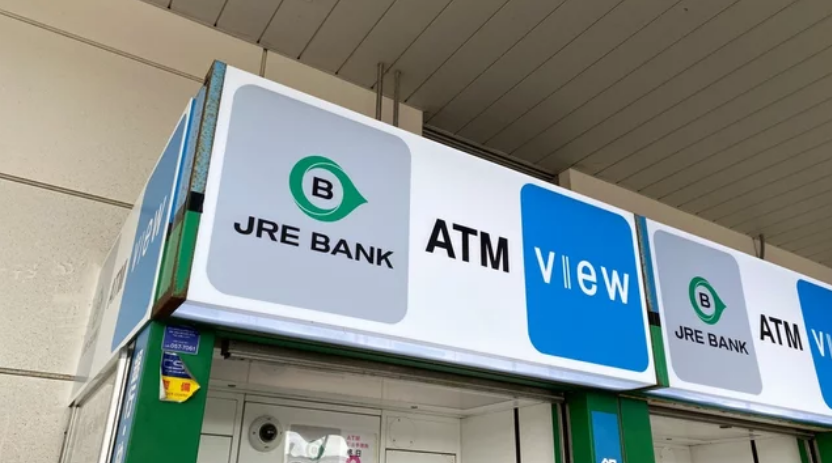
You’ve probably heard that Japan is a cash-based society. That used to be more true than it is today. While cash is still common—especially at smaller restaurants, local shops, and some clinics—Japan has steadily moved toward cashless payments, and many places now accept multiple options.
The most straightforward method is credit or debit card, with Visa and Mastercard being the most widely accepted. In many cases, you don’t need a Japanese bank account right away—your overseas card will usually work anywhere card payments are supported (though if you plan to live here long-term, opening a Japanese account is still recommended).
Another popular option is QR code payment apps, especially PayPay. After setting it up, you can pay by scanning a code or showing your code at the register, which makes small purchases fast and convenient. You’ll see PayPay accepted in a wide range of places, from restaurants and convenience stores to many online services and marketplaces. LINE Pay is another option you may encounter, though PayPay tends to be more common in everyday life.
Finally, Japan’s transit IC cards—like Suica and PASMO—aren’t just for trains. You can also use them to pay at many vending machines, convenience stores, and other retailers, making them one of the easiest daily life payment methods once you’re here.
Even with all these options, it’s still smart to carry some cash—especially when you’re new—since you’ll occasionally run into cash-only places. That said, one of the biggest advantages of living in Japan is that you usually have multiple backup payment options. Even if you forget your wallet or don’t have cash on hand, you can often rely on cards, mobile payment apps, or IC cards, saving you from having to go all the way back home just to make a small purchase.
Vending Machines in Every Corner
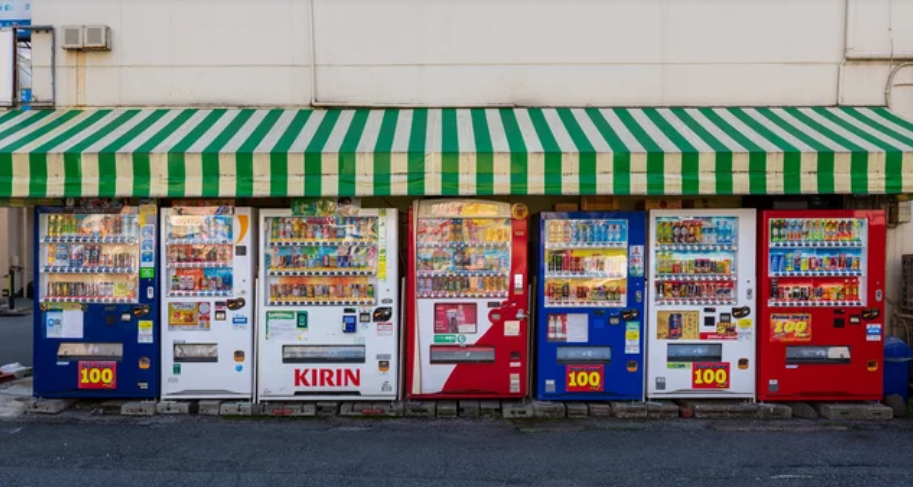
One of the first things you’ll notice after moving to Japan is just how ubiquitous vending machines are. You’ll see them on busy city streets, near train stations, outside office buildings—and sometimes even in quiet residential areas where you’d least expect them. It’s not uncommon to walk through what feels like “the middle of nowhere” and suddenly come across a row of brightly lit vending machines, leaving you wondering how they possibly get enough customers.
This abundance is actually one of the most underrated conveniences of daily life in Japan. Feeling dehydrated in the middle of a humid summer day? There’s almost always a vending machine nearby stocked with water, tea, or sports drinks like Aquarius or Pocari Sweat (Japan’s equivalents to Gatorade). Freezing on your way home during winter? Many machines sell hot drinks, such as canned coffee, tea, or hot cocoa—clearly labeled so you know what’s warm and what’s cold. Vending machine selections even change depending on the season. Cold drinks dominate in summer, while warm beverages become more common in winter. Some machines go beyond drinks altogether, offering snacks, pastries, ice cream, and in certain areas even bento boxes or packaged meals—making them surprisingly practical in a pinch.
Payment is also incredibly flexible. While cash is still accepted, many vending machines now support IC cards like Suica or PASMO, as well as QR code payments such as PayPay. Some newer machines even accept credit or debit cards, so you’re rarely stuck without a way to pay. Perhaps the most enjoyable part is the variety. You’ll find familiar options alongside Japan-exclusive flavors—different Fanta varieties, Yakult, canned coffees, flavored teas, and seasonal drinks you won’t see anywhere else. It’s easy to develop favorites over time.
That said, it’s worth being mindful of your spending. Vending machine prices are often slightly higher than convenience stores or supermarkets, especially in tourist-heavy areas. Because they’re so easy to use and always nearby, those small purchases can quietly add up over time. Still, few things represent everyday convenience in Japan better than vending machines. Once you’re used to them, they quickly become a small but reliable part of daily life.
Convenience Stores
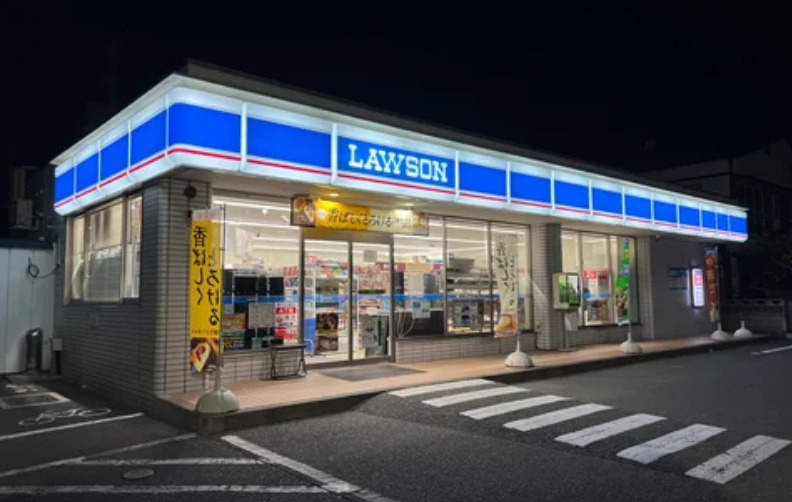
Convenience stores are everywhere in Japan, seemingly on every corner you can imagine. Near a train station, there’s almost always a FamilyMart, 7-Eleven, or Lawson (the big three) close by. In residential neighborhoods, you’ll likely find one just a short walk away. There are tens of thousands of convenience stores across the country, and it is not unusual to see two stores of the same chain located very close to each other.
Convenience stores have become an essential part of everyday life in Japan. Need to pay bills? Need to print documents? Trying to buy magazines or manga? Got event tickets you need to purchase? Need cash from an ATM? Even want to take a passport photo? All of this can be done at a conbini (convenience store).
Because of this, convenience stores are one of the biggest sources of comfort for people living in Japan, and newcomers like yourself are no exception. When you first move here, you’ll likely find yourself stopping by a conbini almost every day and gradually develop a sense of familiarity with it.
That said, it’s worth being mindful of how often you rely on conbinis. Conbini food is generally good, but the prices are often higher compared to supermarkets. Some items may even contain additives that may not be ideal for your body if eaten daily. It’s best to use these stores as convenient supplements rather than a replacement for grocery shopping.
Public Facilities
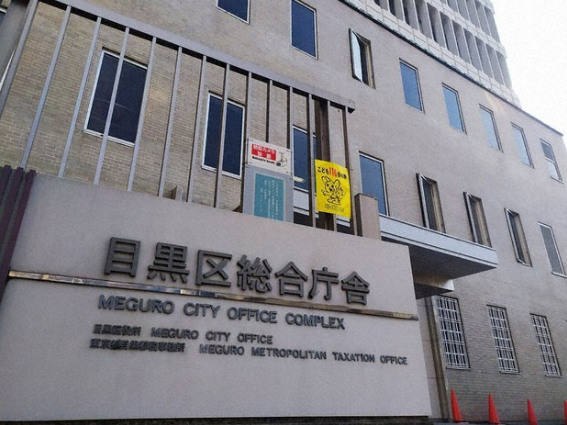
When you first move to Japan, you’ll need to take care of some basic paperwork. This usually includes a visit to the Ward Office to register your address, stopping by the bank to open a Japanese bank account, setting up a phone number with a carrier such as SoftBank, or occasionally visiting the post office. Before you start thinking, “Ugh, I hate paperwork,” or “This sounds so tedious,” in reality, these processes are generally far less stressful than most foreigners expect.
Public buildings in Japan tend to operate with a level of efficiency that feels noticeably different from what many foreigners are used to. If you’re an American, you might instinctively compare these experiences to the Department of Motor Vehicles (DMV), which is often associated with long waits and notoriously frustrating (as an American, I completely understand). In contrast, wait times at Japanese ward offices and public service counters are usually much shorter and more predictable.
Even on busy days, it’s rare to wait more than an hour. In my experience, the average wait time is closer to 25-40 minutes. Moreover, the process feels much more organized than in most places, making it easy for newcomers like you to navigate. Staff members are attentive and guide you clearly through each step. They make a great effort to keep things moving for you without unnecessary delays.
Customer service is a clear priority in these settings. Workers tend to think from the visitor’s perspective and ensure paperwork is completed as quickly and efficiently as possible. Forms are carefully checked, instructions are clear, and systems are designed to minimize confusion. If you know Japanese, the process feels almost as easy as withdrawing money from an ATM (just with longer wait times). However, if you don’t know Japanese, English-speaking staff may be limited depending on where you visit. Bringing someone who speaks Japanese or using a translation app will make things smoother for you.
Work & School Life in Japan
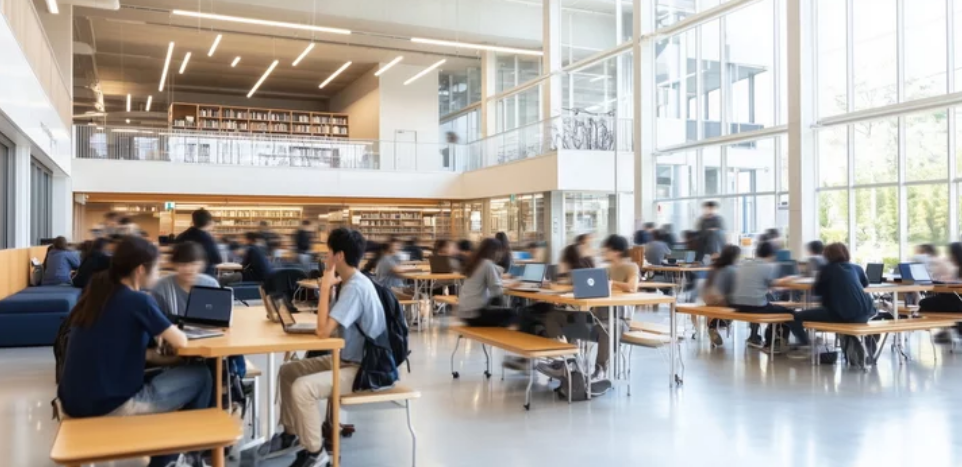
Living in Japan means building a daily routine here, whether you arrive on a student visa or a work visa. Daily life can feel pretty busy at first. In this section I will cover practical things you should know about work and school life in Japan to help you settle in more smoothly.
Working in Japan
Working in Japan can feel quite different from what many people are accustomed to, especially at first. Punctuality, reliability, and consistency are highly valued, and even small things—such as arriving a few minutes early or following workplace routines—matter more than you might expect. Communication is often indirect, and showing consideration for coworkers and the overall workplace atmosphere is important.
For students, part-time jobs (baito) are common and relatively easy to find, especially in restaurants, cafés, and convenience stores. For full-time workers, expectations vary widely depending on the company and industry, but work culture in Japan often emphasizes teamwork and long-term commitment. While the structure can feel strict at times, many find that once they understand the rhythm and expectations, daily work life becomes predictable and manageable.
社会人(Worker) vs. 学生(Student)Life
Daily life in Japan can feel very different depending on whether you are a student or a shakaijin (working adult in Japan). Students generally have more flexibility in their schedules compared to full-time workers, with free time between classes and the option to work part-time. However, attendance and participation are taken seriously, and missing classes can become a problem. School life tends to revolve around fixed schedules, assignments, and semester-based routines.
For working professionals, daily life is often more structured and predictable, depending on the job. Work schedules usually take priority, and free time is more limited compared to student life. While workdays can be long, routines become consistent, and income stability makes daily life easier in other ways. Both student life and working life have their challenges, so it is advisable to set realistic expectations before transitioning between the two.
So Many Things To Do!

Outside of busy schedules, Japan offers a plentiful amount to do in your free time—especially if you live in major cities like Tokyo or Osaka. What makes it special is the variety: whether you enjoy seasonal events, local festivals, or casual everyday activities, there’s always something happening. Many of these experiences aren’t just for tourists, but are things locals regularly enjoy as part of daily life. Because there are too many to name, I will give out some common activities and events that can help you make the most of your free time as you settle into life in Japan.
Festivals & Seasonal Events
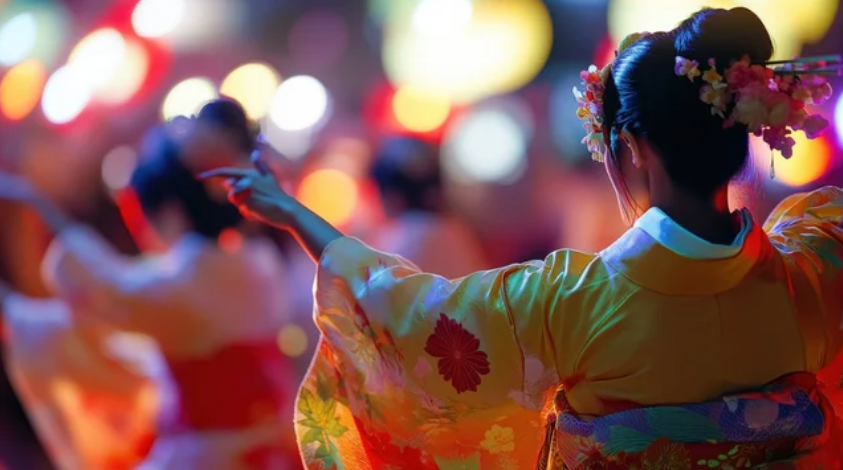
Japan has a rich festival culture, no matter what season it is of the year. Festivals in Japan are called ‘Matsuri,’ and pretty much every region in the country has some sort of festival going on, and they are often worth seeing if you are a local. Many festivals often have ‘yatai’ (屋台) or food stalls, offering a festive delicacy for those visiting. Here are the most common festivals and events you should check out at least once in your lifetime while in Japan:
- Golden Week
- Golden Week is a series of national holidays that give people time off work or school. It’s a popular time for travel and attending events. But it is also one of the busiest periods of the year, with crowded trains and tourist spots filling up quickly.
- Cherry Blossom Season (Hanami)
- Cherry blossom season is one of the most anticipated times of the year for both locals and tourists. During this season, people gather in parks to enjoy the short-lived sakura (cherry blossom) blooming from their trees. Friends and families often hold picnic under the trees, making it both a social and seasonal tradition.
- Sanja Matsuri
- Sanja Matsuri is one of Tokyo’s lagest traditional festivals, held in Asakusa. The event features lively mikoshi (portable shrine) processions, traditional clothing, and energetic crowds.
- Firework Festivals (花火大会)
- Summer fireworks festivals are held across the country, often along rivers or coastlines. These events often feature thousands of fireworks in a single night and are commonly enjoyed while wearing yukata (浴衣) and eating festival food.
- Summer Matsuri
- Local summer festivals often take place in neighborhoods throughout Japan and often include food stalls, music, games, traditional dances and performances, etc. These smaller events are deeply tied to local communities and are a common part of everyday summer life.
- Tanabata
- Tanabata is a seasonal event where people write wishes on small pieces of paper and hang them on bamboo branches. Decorations fill shopping streets and public spaces, which give cities a colorful and festive atmosphere.
- Autumn Leaves (紅葉)
- Autumn in Japan is known for its vibrant red and yellow foliage, especially in parks and mountainous areas. Many people, both tourists and locals, travel specifically to see the leaves, similar to how cherry blossoms are enjoyed in the spring.
- Cultural Festivals (文化祭)
- University cultural festivals are student-run events featuring food stalls, performances, and exhibitions. They are open to the public and offer a casual way to experience student life in Japan. You might likely have a school nearby where you live, so I recommend to check if any school festivals are being held.
- New Year’s (お正月)
- New Year’s is one of the most important holidays in Japan and is typically spent quietly with family. Many people visit shrines or temples, eat traditional foods, and take time off before daily life resumes.
- Illuminations
- Winter illuminations are large-scale light displays set up in city centers, parks, and shopping areas. They are especially popular in the evenings and add a festive feeling to colder months.
- Snow Festivals (Northern Japan)
- In colder regions, snow festivals feature large snow and ice sculptures built by hand. These events attract visitors from across the country and highlight Japan’s winter culture.
Music Festivals
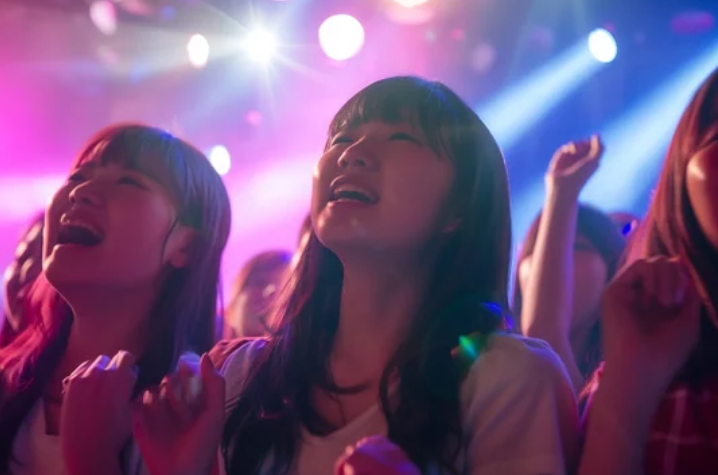
If you are a fan of music, you’re in luck. Japan has a very rich music culture, both with traditional and modern music. Japan hosts a wide range of music festivals throughout the year, whether it’s international mainstream artists, or niche artists that not many people know about. These festivals attract both locals and visitors, and many have become annual traditions that people plan their schedules around.
- Summer Sonic
- Fan of Western and Japanese artists? Summer Sonic might be the festival for you, it is one of Japan’s biggest international music festivals, held every summer in Tokyo and Osaka. It features major Western and Japanese artists, making it especially popular among fans of global pop, rock, and electronic music.
- Fuji Rock Festival
- Fuji Rock Festival takes place in the mountains of Niigata and is known for its scenic outdoor setting. It leans heavily toward rock and alternative music and attracts fans who enjoy a more relaxed, nature-focused festival atmosphere.
- Countdown Japan
- Countdown Japan is a large indoor music festival held at the end of the year, allowing people to ring in the New Year with live performances. It focuses primarily on Japanese artists and is especially popular with domestic music fans.
- Tokyo Idol Festival
- Fan of Japanese Idols? Tokyo Idol Festival is the largest idol-focused event in Japan, featuring hundreds of idol groups over multiple days. It’s a major cultural event within the idol scene and offers a unique glimpse into a side of Japanese pop culture that many visitors don’t usually experience.
- Hololive Production (VTuber Live Events)
- Fan of virtual idols? Hololive regularly hosts large-scale live concerts and music events featuring virtual performers known as VTubers. These shows blend live music, animation, and fan interaction, and have become a major part of modern Japanese pop culture, attracting both domestic and international audiences.
Resources:
- https://www.thedigitalnomad.asia/music-festivals/japan/music-festivals-in-japan/
- https://tokyocheapo.com/editorial/best-summer-music-festivals-japan/
- https://arigatojapan.co.jp/japans-festivals-music-lovers/?srsltid=AfmBOooXr6Q9d3XiHBgp7bDSkxYNw4v_uKCo7a8NxsMTtA8GTB0ORctn
Travel Within Japan
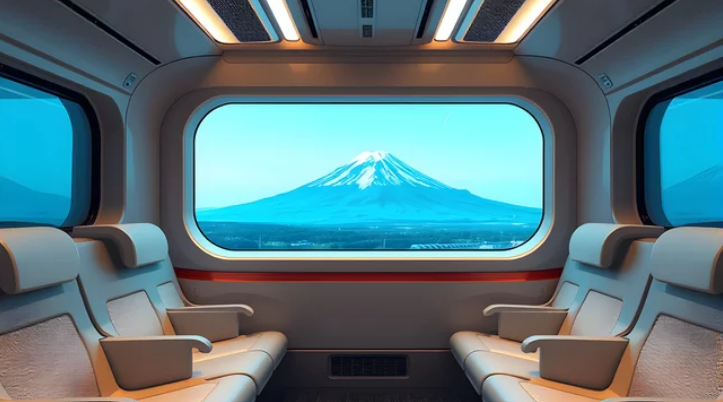
Many locals travel within Japan during holidays or their free time. When you live in one part of the country, you may find yourself feeling like you’ve seen enough of your immediate area. Or you may simply want to experience a region in Japan you’ve never seen before. This is one of the biggest advantages of living in Japan, how easy and convenient domestic travel is, whether by plane or bullet train.
Traveling by the Shinkansen (bullet train) is fast and comfortable, though it can be pretty pricey. That said, many people still enjoy the experience of riding a bullet train itself. The rides are often smooth, offer nice sceneries, and you can even grab food at the station before heading to your destination. Many Shinkansen trains also offer Wi-Fi, making the journey even more convenient.
If cost is a concern, domestic flights are another great option. Japan’s two major airlines JAL (Japan Airlines) and ANA, are known for their cleanliness and top-tier service. Airports in Japan are also extremely clean and well organized. Depending on the flight, the service can feel surprisingly top-class for a short domestic trip.
Whether you’re planning a simple day trip or a longer vacation depends on how much free time you have. Popular destinations include Osaka, Kyoto, Sapporo, Okinawa, Hiroshima, Fukuoka, etc. but there are countless other regions that are worth exploring and are convenient to get to.
Perhaps the best part about living in Japan is the fact that you don’t need to rush. Unlike tourists who feel pressured to see everything in a short amount of time, residents can travel at their own pace. This means you can travel wherever and whenever you want. You have more time, flexibility, and since you are living here long term, there are much more opportunities to immerse yourself in the language and culture than a tourists would. This makes domestic travel not only relaxing, but often have meaning.
You can read more about where to travel in Japan with these resources:
- https://www.japan.travel/en/plan/getting-around/domestic-air-travel/
- https://www.jrailpass.com/shinkansen-bullet-trains
- https://www.japan-guide.com/e/e2018.html
Meeting New People
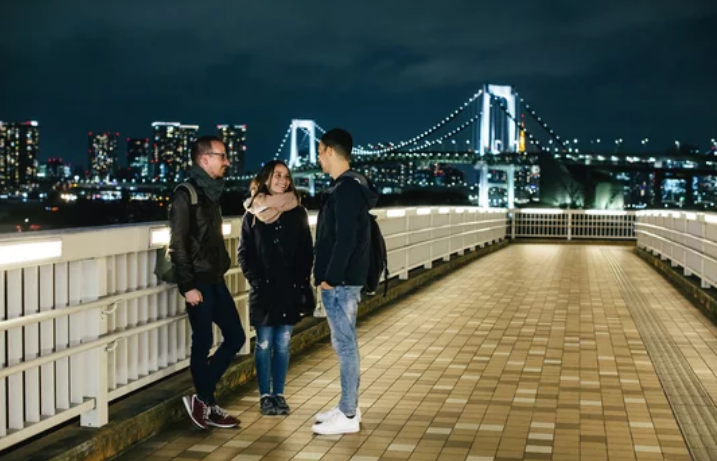
Living in a new country means starting over socially, whether you realize it or not. One of my biggest regrets when I initially moved to Japan was doing too many things by myself during my honeymoon phase. Everything felt exciting on its own, but looking back, I missed opportunities to build connections earlier.
There are many ways to meet people in Japan, and most of them overlap more than you might expect. One common option is moving to a share house. Share houses accommodate multiple residents in one building, often attracting people from all over Japan and even abroad. People who live in share houses often look to make friends and form new connections, just like you. Many residents are in similar situations, making relationships easier to develop naturally.
Living in a share house can open unexpected doors. Some people land their first job through connections they make there, attend events they never thought they would have ever attended in their life, or even meet their future spouse. Share houses are also great for language exchange. If you live with mostly Japanese residents, it is more than likely that you will be surrounded by the language in everyday situations, which helps you gradually get used to the language, thus improving your language abilities. At the same time, many Japanese residents also choose share houses specifically to practice English with international housemates.
Language exchange is one of the most effective ways to both immerse yourself and meet people. Many schools offer formal language exchange programs, especially for students on a student visa. If you’re enrolled in a school, it’s probably worth checking out what events or programs are available. Even if you’re not a student, language exchange programs available to the general public also happen frequently and are easy to find through community boards and online platforms (see resources).
Connecting with other foreigners living nearby is also a great way to make connections. For example, if you’re a Filipino looking to make connections with people of the same cultural background, you can visit local Filipino restaurants or attend cultural events. Local groups make it easier to find events, ask questions, or simply meet people going through similar experiences. From my experience, having both Japanese and foreign connections is the best way to adjust to life here. Friends with a similar background can help ease homesickness and provide a sense of familiarity, while Japanese connections can help you integrate more deeply into daily life in Japan. Finding that balance can make settling into a new country far more fulfilling.
Resources:
- https://blog.gaijinpot.com/japanese-share-houses-costs-benefits-and-finding-your-perfect-fit/
- https://arealty.jp/blog/share-house-japan-tokyo-apartments-foreigner-guide/
- https://jefquin.com/blog/best-share-houses-tokyo
- https://www.sakura-house.com/sakura_tips/why-a-sharehouse-is-the-perfect-choice-for-foreigners-moving-to-japan
Exploring New Hobbies
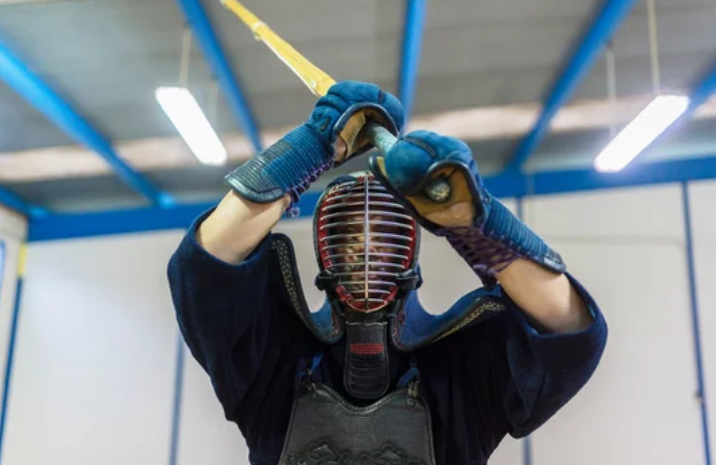
Another powerful way to meet people in Japan is through shared hobbies. When you participate in activities you genuinely enjoy, conversations feel effortless and connections form naturally. Japan offers an endless number of hobby-based communities, which makes it easy to find something that fits your interests.
If you’re interested in martial arts, joining a local dojo or sports club can help you connect with people who share the same discipline as you. If you enjoy running, participating in marathon events is a great way to meet others. Many people even invite friends or share house mates to join, where connections expand even more. If you love music, attending live music shows or music festivals (especially the festivals listed above) and inviting people you’ve met through language exchange or your share house can turn casual acquaintances into close friends.
The opportunities to explore hobbies in Japan are nearly endless, and engaging in them gives you more than just social connections. It gives you experience, structure, and memories to look back on. You can make the most of your free time and build a life in Japan that feels meaningful.
Learning How Japanese People Communicate
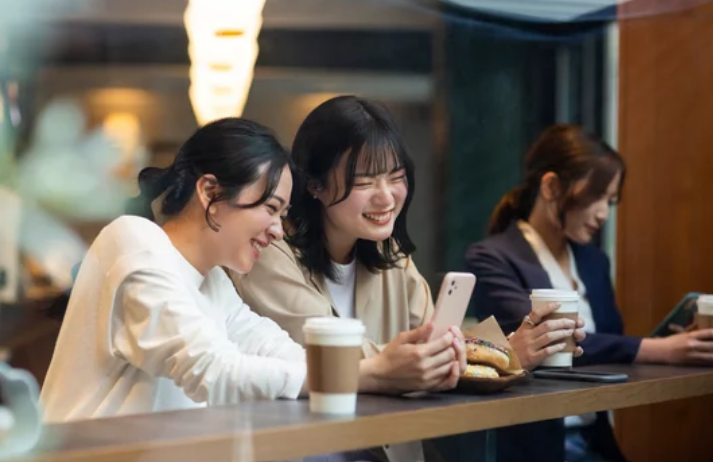
You’ve learned of the fun things you can do in Japan, the convenience of it, and how to make connections. But now I will go over the most important part of navigating through social life in Japan: communication. If you’re from a Western country like the United States, Japanese communication can feel quite confusing, even if you can already speak Japanese. English, especially American English tends to be direct and explicit. In Japan, communication is often quite the opposite. Not only are you learning a completely different language, but you’re also navigating a culture with very different expectations about how thoughts, feelings, and intentions should be expressed. Because of this, adjusting to life in Japan often requires adapting to more than just grammar and vocabulary, it means learning an entirely new communication style.
The Importance of Wa(和): Group Harmony
Wa(和), meaning “harmony” or “group harmony,” is deeply ingrained in Japanese culture and the way they communicate. Maintaining harmony within a group is often prioritized over directly expressing individual opinions. Because of this what someone says may not always mean exactly what a Western ear might hear.
For instance, when a Japanese person says 「ちょっと難しいですね」(“That might be a bit difficult”), they are often politely saying no, rather than expressing uncertainty. This indirectness helps avoid confrontation, disappointment, or embarrassment from the listener.
In Japan, it’s expected that people can read the air, a concept known as 空気を読む (kuuki wo yomu). Communication frequently relies on context, tone, timing, and shared understanding rather than using explicit words. Nonverbal cues, pauses, and implication play a much larger role than they do in many Western cultures.
Honne and Tatemae: True Feelings vs. Public Expression
Another concept in Japanese communication that’s important to know is honne (本音) and tatemae (建前). Honne refers to a person’s true feelings, while tatemae refers to the socially appropriate way of expressing yourself in public. Japanese people often separate the two in order to maintain the wa. This doesn’t mean people are being dishonest, it’s more as a way to properly choose the way you express things that fit the situation in order to protect social harmony. Being able to understand this distinction helps explain why Japanese communication can sometimes feel vague or even be perceived as overly polite especially to Westerners. By understanding and training yourself to perceive what people really mean when they word things, your social life will become much smoother as you navigate social life in Japan.
Politeness, Hierarchy, and Speech Levels
Last but not least, I will go over the speech levels when talking with natives. Speech levels in Japanese are also much more rigid than in many Western languages. The way you speak to your boss, teacher, customer, or stranger is expected to be totally different from how you talk to close friends or family.
Hierarchy plays a strong role in communication, and it’s important to use the correct honorific depending on who you talk to. Here is a brief guide on the most common honorifics you’ll likely hear:
- -san: The safest and most common honorific for people you’re not close to.
- Example: It is a pleasure to meet you, Tanaka-san!
- -chan: Similar to -san, but often used for children, close friends, or young women (only when appropriate)
- -kun: commonly used for younger boys or male subordinates.
- Senpai: Someone more senior or experienced than you.
- Sensei: Teachers, instructors, doctors, authors, and other professionals.
Caution: Using the wrong honorific, or none at all, can sound overly casual or even rude in certain situations. Fortunately, many Japanese are strongly aware of the cultural differences between Japanese people and foreigners, so many might understand or react friendly to your mistakes. But still, like the language itself, it is important to understand how people properly address each other as best as you can in order to navigate through your social life in Japan, and it will take time and exposure until you can fully understand them.
Getting Used to Japanese Communication
You just gained a surface level understanding on how exactly Japanese people communicate. However, Japanese communication isn’t something you master overnight after reading a lot of articles online. Along with the actual language itself, it takes time, mistakes, and real-world exposure. Feeling awkward, misunderstanding intentions, or saying something unintentionally strange is completely normal at first, and as mentioned earlier, many Japanese give leeway if you’re a foreigner (this is also known as the gaijin card, which has its limits so be careful not to overuse it).
Again, the best way to adapt through communication (both linguistic and cultural) is through immersion: spend time in Japanese environments, such as a share house. Observe how people interact, and don’t be afraid to ask native speakers questions when something doesn’t make sense. Media can also help. For instance, reality shows like Terrace House are especially useful because it showcases natural, everyday Japanese speech in relatively realistic social settings that you can use as a reference. But even after watching shows like this, don’t expect to become a master of Japanese communication. Actually putting yourself in the front lines, making friends and connections, and making mistakes is the important part of this gradual process. Before you know it, understanding what someone means will start to feel natural.
Resources:
- https://www.daijob.com/en/guide/skill-up/effective-communication-in-japan/
- https://culturalatlas.sbs.com.au/japanese-culture/japanese-culture-communication
- https://www.kandagaigo.ac.jp/memorial/history/archive/post/files/pdf/14_06.pdf
Honeymoon Period Fades

For many people, the first months (or even the first year or two) of living in Japan feel exhilerating. There’s always something to do, somewhere to explore, and endless new experiences waiting around every corner. You’re meeting new people, discovering new places, and everything feels fresh, exciting, and full of possibility. But eventually, after a few months to two years, that feeling begins to fade for many people.
Japan starts to feel less like adventure and more like… life. The country you once idealized reveals itself as just that, a country with its own routines, limitations, and frustrations. Daily life can start to feel repetitive. You may realize you can’t afford to go out as much as you’d like, or that constantly “doing something” can feel overstimulating and isn’t sustainable long term. Some people begin to feel bored, lost, or even homesick, even unexpectedly.
For many foreigners, this phase is also when even more challenges start to appear. You may start feeling like you don’t fully belong in Japanese society due to cultural differences. Work culture can feel exhausting. You might not like the salary you’re earning. Communication styles and social expectations may clash with how you were raised. Over time, the mental effort required to constantly adapt (to language, norms, unspoken rules, etc.) can quietly wear you down without even noticing. Some people reach a point where they realize they don’t really feel happy in Japan anymore, even though nothing is “wrong” on the surface.
Believe it or not, many people who live in Japan long-term go through this phase, even those who love Japan dearly and/or disliked their home country. When it happens, it’s important to pause and reflect to yourself honestly. Ask yourself is living here still with it for you? Do the pros of life in Japan outweigh the cons? If you were to return to your home country tomorrow, would your overall happiness improve, or would you miss what you’ve built here?
Is Life in Japan Right For You?

That said, the encouraging part is that many people eventually move past this stage and enter a phase of acceptance. Japan stops being something to idealize or constantly compare with other things. The things you dislike don’t disappear, but you learn how to live with them. Daily life becomes less about excitement and more about stability, routine, and meaning. For some, Japan slowly shifts from being “a place they live” to simply, “home.”
Even with all the challenges, there are countless foreigners who choose to stay and can’t imagine leaving. At this stage, you’ve built a lot of connections, developed a career, made memories, and experienced personal growth in a foreign country you’ve eventually gotten used to, which makes it feel hard to walk away from. Starting over somewhere else can feel even more frightening than staying and continuing to adapt to this life.
In the end, there’s no right or wrong answer. Whether Japan becomes a chapter in your life or the place you settle long-term depends entirely on the person, their goals, values, resilience, and what they truly need to feel fulfilled. What matters most is being honest with yourself and choosing the path that allows you to live a life that feels genuinely your own.
So, now the main question, is life in Japan right for you? After living in Japan for some time, that is up to you to figure out yourself.
Thanks for reading, and please check out my other articles:
- Moving to Japan – Considering a move to Japan but unsure where to start? I’ve created a simple guide that clearly outlines each step to help you make the transition smoothly.
- Learning Japanese – Moving to Japan means embracing the language, but where should you start? This guide is designed to help you get started with that path.
- Working in Japan – Have you decided to live in Japan but are unsure about your career path? This article will help guide you through the process of finding the right job in Japan.