Working in Japan
Thinking About Working in Japan as a Foreigner?

Japan offers more job opportunities for foreigners than you may think. While jobs such as teaching English, programming, etc. are two of the most common paths people choose, the truth is there is a lot more. Foreigners work across a wide range of industries in Japan – from education and IT to hospitality, marketing, and even highly specialized roles such as a bungee-jump safety inspector, or any specific role you wouldn’t expect.
Today, more than three million foreigners live in Japan, many of whom are legally employed. Whether you’re a recent graduate, a career changer, or a skilled professional, working in Japan as a foreigner is possible with not only the right visa, but with the right planning.
In this guide, I’ll walk you through everything you need to know about workin in Japan as a foreigner – including legal work paths, visa options language requirements, popular jobs, salaries, and even how to actually find a job. This way, you can decide if moving to Japan is right for you, and that you can plan to live in your dream country with confidence.
Can You Work In Japan Without Speaking Japanese?
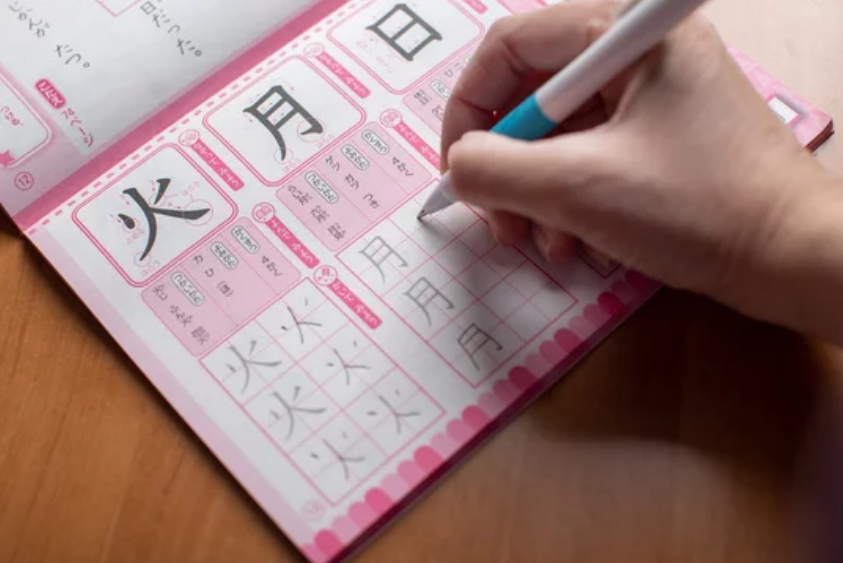
This is the golden question everyone asks: can I work in Japan without speaking Japanese? How much Japanese do I actually need to work in Japan? Do I need to be fluent? Do I need to sound like a native? Will companies even consider me if my Japanese isn’t so great?
The short answer is: it depends on the job.
There are many in jobs out there that are open to foreigners and do not expect you to sound like a native speaker. In fact, foreigners who speak Japanese at a near-native level are much rarer than you may think. Companies that actively hire foreigners are already fully aware that you’re not Japanese and that you’re bound to make occasional mistakes – as long as you can communicate well enough to do your job.
That said, there are roles where Japanese ability actually matters much more. Jobs that require constant communication, client interaction, or deep cultural understanding typically expect a higher level of Japanese. You may see this in roles such as sales, where you will be spending the majority of your time interacting with native speakers only. Even then, most employers don’t expect perfection – they expect you to be professional, have clarity, and the ability to function in a Japanese work environment.
There are also exceptions on both ends however. Some roles, such as TV announcers or interpretors, tend to be very strict about pronunciation and accurary. On the other hand, jobs such as English teaching, or even roles in international schools (career advisor, etc.) and some foreign-facing positions require very little to no Japanese at all.
In order to give you a better idea, I will break things down level by level and look at what kinds of jobs are realistic at each Japanese proficiency level. This way, you will be able to understand how much Japanese you actually need to focus on, depending on what career path you’re aiming for.
For a more in-depth guide on learning Japanese, check out this guide I made for it.
Jobs That Require N1/N2

Jobs like these typically have responsibilities that involve complex communication. Note that while some postings may say “N2 or above,” in practice that very well mean that the roles function at near-N1 level, especially once you’re actually on the job. Here are a list of jobs that apply to this:
| Job: | Level of Japanese: | Skills: |
| Interpreter | N1 | -Near-native listening comprehension at natural speed. -Advanced vocabulary, keigo, nuance, and register control. -Ability to work under pressure. |
| Legal Roles | N1 | -Reading and drafting legal documents. -Adept at High-level Kanji and legal terminology. -Advanced level at written Japanese. |
| Journalism | N1 | -Native-level reading and speed comprehension. -Natural written expression for Japanese audiences. -Cultural awareness of tone, style and nuance. |
| Public Relations (PR) | N1 | -Writing official statements. -High-level keigo and formal communication. -Media communication in Japanese. |
| Government worker | N1 | -Understanding bureaucratic and legal Japanese. -Drafting and reviewing government documents. -Extremely precise communication with zero tolerance for ambiguity. |
| Job: | Level of Japanese: | Skills: |
| Digital Marketing | N2 | -Reading documents and reports in Japanese. -Writing emails and basic content aimed for natives. -Participate in meetings where Japanese may be used. |
| IT/Engineering | N2 | -Reading technical documentation in Japanese. -Clear ability to communicate issues. -Understanding internal specifications. |
| Sales/Support Operations | N2 | -Internal communication in Japanese (email, chat, etc.) -Handling documents and schedules in Japanese. -Standard Business-Japanese (non-legal) |
| Recruiting/HR | N2 | -Screening resumes and conducting interviews in Japanese. -Explaining policies and procedures in Japanese. -Professional but non-native communication. |
| General Office Roles | N2 | -Phone calls, business emails, all in Japanese. -Standard paperwork and documentation in Japanese. -Daily workplace communication in Japanese. |
Note: Passing a given JLPT level does not automatically guarantee a role for the given positions, as many positions may require you to demonstrate practical language proficiency during the hiring process.
Jobs You Can Get With N4-N3 Level Japanese

At this level, you are not expected to be fluent in Japaese. For many of these roles, having a basic bbut functional grasp of the language is enough to be considered.
In reality, these jobs often require candidates to have strong listening comprehension, and may welcome limited or imperfect output. Work may be conducted primarily in English, or another dominant language (though English is the most common), with Japanese being used mainly for day-to-day interaction amongst colleagues.
In many cases, JLPT N3-N4 may be treated as “nice-to-have’s” rather than absolutely required. But what matters that as long as you’re able to understand instructions follow conversations, and function comfortable in a mixed-language environment, you have chances to be considered.
At the end of the day, full fluecy in Japanese may not be necessary for many of these roles.
| Job: | Level of Japanese: | Skills: |
| International Company Office | N3 | -Basic Japanese for office communication. -Following instructions in Japanese. -Reading simple emails. |
| Hospitality (Hotel, Guesthouse Staff, etc.) | N3 | -Understanding customer requests. -Basic Japanese for customer service. -Listening to colleague’s instructions. |
| Retail | N4 | -Simple customer interaction in Japanese. -Listening for questions and requests. -Basic transactional Japanese. |
| Factory/Warehouse | N4 | -Basic Japanese for daily interaction. -Understanding basic internal communication in Japanese. -English may be used for technical work. |
Jobs With Little To No Japanese Required

While it is very strongly recommended to learn Japanese if you want to move here, many employers in Japan do offers role where minimal to no Japanese is required. Keep in mind that these roles are much less common compared to roles that do require some level of knowledge of Japanese.
| Job: | Level of Japanese: | Skills: |
| English Teacher (Eikaiwa Schools) | None to N5 | -Classroom communication all conducted in English. -Following Teaching Curriculums. -Basic awareness of Japanese culture and norms may be expected. |
| Kitchen Staff | None to N5 | -Understanding simple commands or gestures from natives. -Following visual or demonstrated instructions. -Ability to follow sanitary standards. |
| Manual Labor (Factory, Agriculture, etc.) | None | -Task-based jobs. -Following visual instructions. -Discipline to perform laborious tasks. |
| IT/Engineering (Full English Teams) | None | -Technical skills in your field of study. -Communication all in English. -Collaborate with international teams around the world. |
While this list reflects the most common roles and their often expected language standards, they may vary depending on employer and workplace. Some companies may have lower or higher requirements than expected depending on a number of factors such as needs and environment. Please us this section as a general reference to understand what is commonly expected in terms of Japanese level ad practical skills. Ultimate, demonstrated language ability, and even hard skills, often matters more than the JLPT level you have passed or failed.
Popular Jobs for Foreigners in Japan
Some of the most popular jobs you may often see include the following:
English Teaching (Eikaiwa Tutor, Assistant Language Teacher, etc.)

One of the most common jobs for expacts living in Japan is teaching English. This is largely because many English teaching positions do not require any Japanese ability of some sort, which makes it extremely accessible to first-time expats in Japan. There are several types of English-teaching jobs in Japan, with each having its own work environments, responsibilities, expectations, etc.
One of the most common roles is an Assistant Language Teacher (ALT). ALTs work alongside Japanese teachers of English in public schools, supporting English education from elementary, middle school, and high school levels. The duty of an ALT typically includes helping students with pronunciation, providing native listening practice, assisting with vocabulary, and interacting directly with students during lessons and classroom activities. Most ALTs are employed via dispatch companies, though some participate in the JET Programme, a program know for offering benefits (such as housing) and higher pay for its participant ALTs. However, JET positions are often highly competitive, which makes them more limited and more difficult to obtain a job from them.
Another very common type of English teaching job in Japan is what is known as Eikaiwa (英会話), literally meaning English conversation, Eikaiwa teachers typically work at private English conversation schools focusing on helping students improve practical English speaking. Compared to ALTs, many Eikaiwa teachers report that they have better control over their lesson content. The classes tend to be much smaller in size, and the relationships with students tend to be closer compared to working as an ALT. Eikaiwa schools often teach a variety of ages ranging from young children, teens, and adults of all ages, with schedules including evenings and weekends.
There are many other types of English teaching jobs in Japan in addition to these two. Many roles include:
- Daycare & Preschool English teachers
- Dispatched teachers
- University instructors
- International school teachers
- Homeschool or private tutoring
- Freelance English Teachers
For more details on each of these types, you can read more about them on the Jobs in Japan website.
Sources:
- https://jobsinjapan.com/working-in-japan/different-types-of-english-teaching-jobs-in-japan/
- https://blog.gaijinpot.com/is-japan-the-best-country-to-teach-english-heres-how-it-compares/
- https://www.gooverseas.com/blog/pros-cons-teaching-japan
IT & Engineering

IT and engineering are among the most common career paths for foreigners workin in Japan, largely because these fields are consistently in high demand. As you may know, Japan remains to be one of the global leaders in technology and innovation. This means that the opportunities in a variety of areas such as software engineering, web development, data analysis, AI research, robotics, and IT, have very high demand and are expected to grow within the coming years.
One reason these roles are attractive to foreigners is that the technical skill is often prioritized over Japanese fluency, especially in international teams or companies. In many workplaces, English may be the primary working language with Japanese used only for internal or personal means. There are even cases where foreign engineers report being the only team member with strong Japanese ability, which shows how skill shortages can outweigh language requirements in certain situations.
That being said, IT and engineering roles are often regarded to have a high barrier to entry. In other words, it is not a skill anyone can just learn quickly and get hired for. Employers often expect proven technical ability and relevant experience in such complex systems. These are not beginner-friendly fields, and developing these skills typically takes years of study, training, and hands-on experience.
For foreigners aiming to work in IT or engineering in Japan, the most realistic approach I can tell you is to prioritize working on a technical expertise first, most likely earn a degree during the process, and at the same time gradually improve your Japanese abilities over time. While high-level Japanese can give you more opportunities, it can only give you so much if you do not have the necessary hard-skills. Language ability is often considered a practical skill that determines employability in this field.
Sources:
- https://jobsinjapan.com/working-in-japan/working-in-japan-job-options-for-foreigners/
- https://www.tokhimo.com/post/10-most-popular-jobs-for-foreigners-in-japan-1
Hospitality & Tourism

Hospitality and tourism are another common employment path for foreigners working in Japan. Japan is one of the major global tourist destinations in the world, and it attracted both international and domestic travelers every year. This makes a steady demand for hotel, resort, and tourism staff across the country, whether it is a cheap budget accommodation, or a high-end accomodation.
Because of the low English proficiency rate among the general population, many hotels and tourism-related businesses are actively seeking foreign staff who can assist international guests. This makes hospitality roles more accessible to foreign workers, especially in areas with a high volume of tourists.
Japanese language requirements in this field are generally moderate. As stated earlier, hospitality roles require you to be around JLPT N3 level, with the expectation that you can handle basic conversations and understand and communicate politely with Japanese coworkers and guests. While native-level fluency is not required, conversational ability is important, as day-to-day interactions will often involve Japanese speakers.
Compared to fields like IT & Engineering, this field has roles that tend to have a lower barrier to entry. Training periods are often much shorter and do not require nearly as much rigorous training and experience as IT & Engineering fields. Additionally, employers often focus more on other aspects such as communication, reliability, and customer satisfaction skills rather than a specialized technical expertise. For foreigners interested in this field, improving practical Japanese communication skills can often be seen as more valuable than pursuing advanced certfications,
Sources:
- https://jobs.bfftokyo.com/guide-to-full-time-jobs-in-tokyo/
- https://jobsinjapan.com/working-in-japan/working-in-tourism-hospitality/
Freelancing

Freelancing is another work option many foreigners do in Japan, however, it is often more complex than traditional employment. Unlike many countries, Japan does not offer an official “freelance visa.” This means that foreign freelancers must hold valid residence status that allows them to work, such as certain work visas (Engineer/Specialist in Humanities/International Services), spouse visa, or permanent residency. Many foreigners begin freelancing after securing a regular job and visa in Japan, then gradually taking on freelance work depending on what their visa category lands on. Immigration authorities generally expect freelancers to show stable contracts, consistent income, and clear alignment between their work and visa type.
From a legal perspective, freelancers in Japan are treated more as sole proprietors (個人事業主)rather than employees. This means that freelancers are responsible for registering their business activity with the tax office and are also responsible with handling their own taxes, health insurance, and pension. While freelancing offers a lot of flexibility and independence, it also comes with less stability and benefits compared to if you were employed full-time. Because of this, freelancing in Japan is more realistic for foreigners in Japan who already have professional experience, proper visas/residency, and a solid understanding of Japan’s tax systems.
You can read more about this in the sources:
- https://japanvisaguide.jp/transitioning_to_freelance
- https://japan-dev.com/blog/freelancing-in-japan?
- https://ib-tec.co.jp/skills-resources/how-to-start-freelancing-in-japan-a-paperwork-guide
- https://e-housing.jp/post/guide-to-taxes-in-japan-for-freelancers
Visa Sponsorship
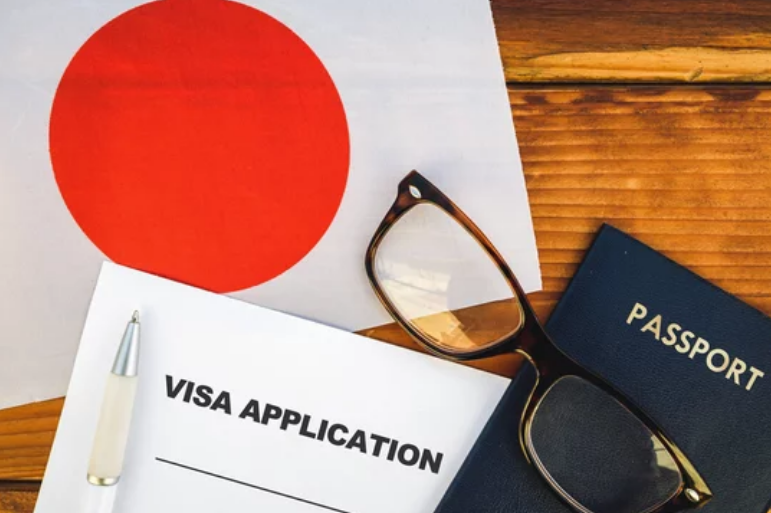
Before you can legally start working in Japan, an employer must be willing to sponsor your work visa. Many foreigners interested in moving to Japan often wonder how visa sponsorship actually works. Many also wonder what companie expect from foreign candidates.
In this section I will go over the basics that you should understand before you start researching companies on your own and applying for them.
What Do Companies Look For?

There is one important thing to understand: companies do not sponsor visas as a favor. Visa sponsorship happens when hiring a foreign candidate clearly makes business sense to them.
In other words, if a company sees value in you, (whether it is your technical skills, professional experience, or Japanese ability) the additional effort of sponsoring a visa becomes worthwhile to them. While some companies state that they do not sponsor visas, exceptions can sometimes be made if the candidate shows that they are a strong fit. That said, sponsorship is not always guaranteed.
Visa sponsorship is most common when a role requires specific skills that are difficult to fill in locally. In this case, hiring a foreign ccandidate solves a real business need rather than creating extra work for the company.
Employers also consider whether a candidate is realistically eligible for a work visa. This includes factors such as educational background, professional experience, and how clearly the role aligns with the candidate’s skills. In many cases, companies look for candidates who have a university degree or years of experience (usually around 10 years), though rare, some companies do make exceptions.
Because visa sponsorship involves additional administrative time and effort, comapnies tend to sponsor candidates they see as long-term contributors, rather than short-term hires. If you demonstrate commitment to staying with the company, it can work in your favor during the hiring process and have them sponsor your visa.
And finally, employers evaluate whether a candidate can function effectively in the workplace. This includes communication ability, professionalism, cultural adaptability, and the ability to work independently when needed.
While expectations vary from company to company, these are some of the most common factors that employers consider when deciding on whether to sponsor a foreign worker ot not. So it is essential to do research on a company’s hiring practices.
Resources:
- https://jobsinjapan.com/working-in-japan/how-to-get-visa-sponsorship-in-japan-a-guide-for-foreign-job-seekers
- https://www.oysterhr.com/library/japan-work-visa-requirements
What’s The Salary Like?
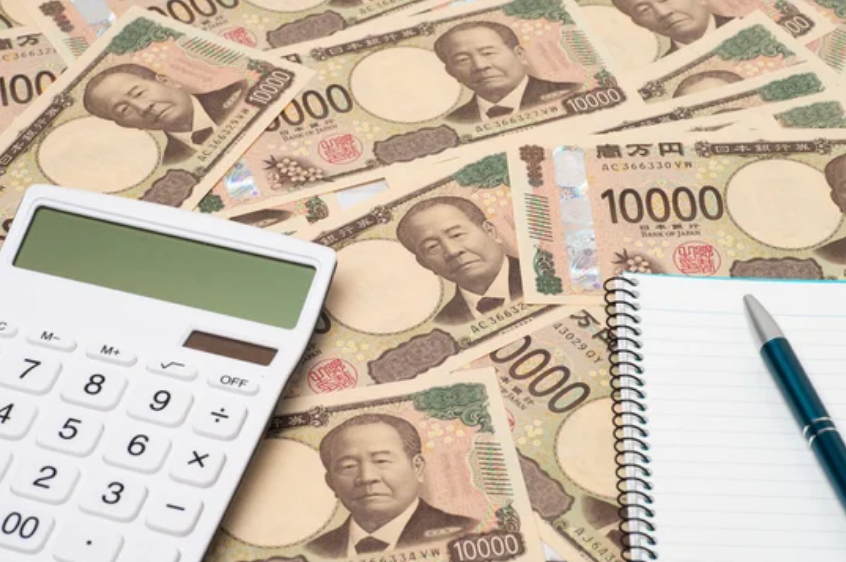
Salaries in Japan are generally lower compared to Western countries, but so is the cost of living. The expectations of salary vary greatly depending on industry, location, and experience.
Average Starter Salaries
For foreigners who are starting an entry-level career in Japan salaries are often considered modest compared to countries such as the United States or some parts of Europe. Many starter roles (including English teaching, hospitality, and junior office positions) typically fall within a similar range.
While salaries vary by role and empoyer, many entry-level positions tend to start around the low-to-mid 200,000 yen per month range before tax. But for IT or engineering positions, salary may be expected to be higher. For lower-barrier-entry or part-time positions, salary may be expected to be lower.
It’s important to understand that Japanese salaries often increase slowly over time, especially with traditional companies. Raises are usually incremental and based on performance or whoever is in charge, rather than rapid job-hopping, which may feel different from work cultures in other countries.
As a result, Japan is generally not a place people move to if you expect to receive a high salary. Many foreigners choose to move here for the sake of various reasons such as experience, career development, long-term stability, or simply they do not like their home countries and prefer the lifestyle in Japan (which was my personal reason). If you desire to move to Japan expecting to earn more than you do in your home country (given your home country is a western country such as the United States), you might want to consider your decisions as to why you want to move to Japan.
Breaking Down The Cost of Living

Breaking down the cost of living in Japan isn’t going to be as straightforward as you think, as the cost of living in Japan for foreigners varies widely. Major cities such as Tokyo and Osaka are going to be more expensive than regional cities, but even within large cities, rent and daily expenses can vary widely depending on the neighborhood and lifestyle you live.
Rent is typically the largest expense you’ll get. In central Tokyo, rent can take up a significant portion of a monthly salary, while living slightly outside city centers or in regional areas can drastically reduce housing costs. Daily expensive such as groceries, transportation, utilities, etc. are often more predictable, and easier to manage. Public transportation is efficient but can add up if you commute long distances multiple times, while food costs can vary depending on whether you cook at home (自炊)or eat out (外食)frequently.
For many foreigners, living comfortable in Japan is less about earning a high salary and more about managing expenses wisely. If you move in as an entry-level worker with a realistic mindset and expectations, and are careful about budgeting, you should have no problem to be able to support yourself, especially if housing costs are kept under control and managed wisely.
Typical Monthly Living Expenses in Japan (Single Person)
To get a better idea on how exactly salaries translate into daily life, it would help to look at the most typical monthy living expenses in Japan. I made a table below that provides a general reference for common costs a single person living in Japan will likely experience. Actual expenses may vary significantly based on location, lifestyle, personal choices, etc.
| Expense Category: | Typical Monthly Cost (JPY): | Notes: |
| Rent | ¥50,000 – ¥120,000 | Highly dependent on location and housing type. |
| Utilities | ¥8,000 – ¥15,000 | Includes electricity, gas, water. |
| Internet & Phone | ¥6,000 – ¥10,000 | Varies by provider and plan. |
| Food | ¥30,000 – ¥60,000 | Cooking at home vs eating out makes a big difference. |
| Transportation | ¥5,000 – ¥15,000 | Commuter passes reduce daily costs. |
| Health Insurance & Pension | ¥15,000 – ¥30,000 | National health insurance & pension (varies by income). |
| Miscellaneous | ¥10,000 – ¥30,000 | Entertainment, personal expenses, emergencies, etc. |
Note: While these figures provide a rough guideline, individual costs can differ widely depending on a number of factors. Factors such as living outside major city centers, sharing housing, or cooking at home can significantly reduce your monthly expenses and put you on the lower end of this table. Managing living costs effectively may matter more than earning a high salary.
Resources:
- https://blog.gaijinpot.com/what-is-the-average-salary-in-japan
- https://housingjapan.com/blog/average-salary-in-japan-and-tokyo
- https://www.japan-guide.com/e/e2202.html
- https://matcha-jp.com/en/22407
How Do I Actually Job Hunt in Japan?
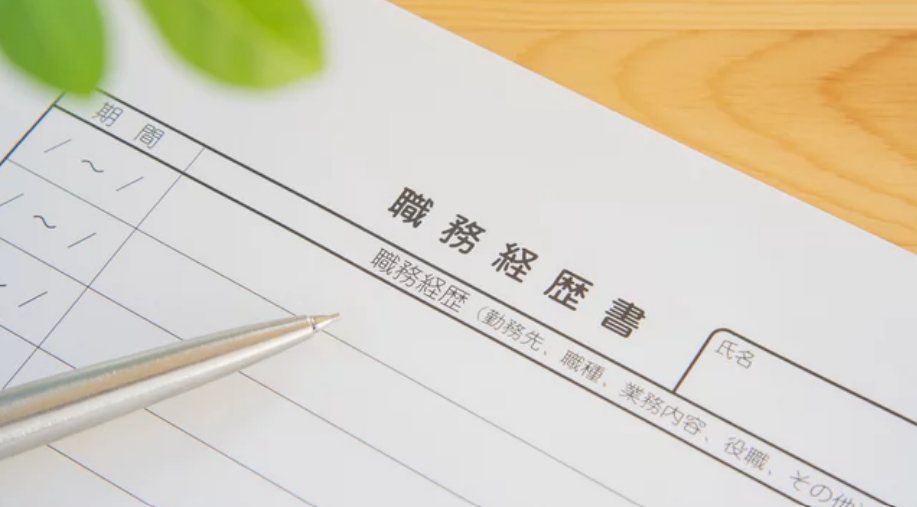
Now you have reached the fun part most foreigners look forward to: actually finding and applying for jobs.
By this point, you should already have a basic idea of what types of jobs foreigners commonly get in Japan, what field you want to work in, what qualifications are expected, how much Japanese you realistically need, and what kind of salary range to expect. The next question is how to turn that information into reality and actually getting job offers.
Fortunately, job hunting in Japan is not as different to your home country as you may think. If you are living in a Western country in the 2020s, much of the process will feel a bit familiar. The primary method of job hunting is still applying online through job boards and professional networking platforms.
Just like many other countries, platforms such as LinkedIn and Indeed are widely used in Japan. In addition, Japan also has job sites specifically aimed at Japanese native speakers, as well as sites designed for foreigners looking to work in Japan.
Best Job Sites in Japan
Aimed for both Japanese and foreigners:
Aimed for Japanese native speakers:
Aimed for foreigners:
Recruiters/Agencies in Japan:
Using a combination of these platforms will give you access to both international and traditional Japanese companies, increasing your chances of hireability.
Japanese Company vs International Company:
Which Should I Work For?

This is one of the most important questions you should be asking for when moving to Japan. While both Japanese and international companies offer legitimate career paths, the work environment and expectations can feel pretty different, sometimes almost like working in two different worlds.
Japanese companies often place strong emphasis on long-term employment. Job hopping or short-term work is generally not expected, and companies tend to value stability and loyalty. Cultural fit is also a major factor, including how well a candidate adapts to the company’s working style, communication norms, and internal hierarchy. As a result, these results often require higher Japanese proficiency and follow more traditional structures.
One potential downside is that some entry-level foreign employees find themselves performing tasks that differ from what they initially expected, such as administrative or support duties, which many may find mundane. This can be a culture shock for many foreigners entering a traditional Japanese work environment. However, there is also an upside to be aware of: working in a Japanese company offers deep immersion in Japanese culture and daily language use, which can dramatically improve both cultural understanding and Japanese proficiency over time. At the end of the day, experiences vary widely. Some foreigners enjoy working in Japanese companies while others might hate it.
International companies, on the other hand, often operate with more flexible work cultures and may use English as the primary working language. These roles tend to prioritize technical skills and experience over Japanese fluency or qualifications. However, language expectations still vary depending on the company and position you’re applying to.
That said, which company you want to work for depends on who you are. Factors such as how motivated are you to immerse in Japanese, take on challenges, and experience new things may mean a Japanese company is for you. If you prefer a familiar environment and do not care about Japanese language or cultural immersion, international companies might be a better fit for you.
Challenges You May Face While Working in Japan

You’re ready to start working in Japan. But keep in mind there are unexpected challenges you will face and mistakes you will make. Here are the most common ones you should be aware of.
Relying Only On English
One of the most common mistakes foreigners make when trying to work in Japan s that English alone will be enough. While it is true that some roles (such as English teaching or international company roles) may use English as the primary working languages, you will be in positions where you will have to use at least some form of Japanese.
Relying only on Englishsignificantly narrows the range of jobs available to you and can also limit long-term career growth. Even in roles where Japanese is not required, having at least basic Japanese can make a major difference in your experience, whether it’s proper communication, relationship building, or simply cultural awareness. Learning Japanese does not need to happen overnight, but if you treat it as something optional rather than valuable, you will be at a long-term disadvantage.
Applying Without Meeting Visa Requirements
Another common mistake is applying for jobs without understanding whether or not you realistically meet Japan’s work visa requirements. Many people go in blind without realizing if they qualify or not. While job postings may not always clearly state visa conditions, immigration rules still apply regardless of employer flexibility.
Many work visas require candidates to have a relevant educational background (often a Bachelor’s degree) or professional experience (often 10+ years) in that role. Applying for positions without meeting these requirements often leads to rejections regardless of your skills and potential. This can be frustrating, especially for entry-level applicants trying to move to Japan.
Before applying, make sure to understand which visa categories apply to your situation and whether your background aligns with the roles you are trying to apply for. Doing research beforehand can save you from time and frustration and hep you focus on better opportunities.
Understanding the Competition
Keep in mind that Japan attracts job seekers from all over the world. Which means you will potentially have an applicant out there that will outshine you. Even with foreign-friendly roles, competition can be stronger than you may expect. Jobs that require little to know Japanese (especially English teaching and entry-level international roles) often receive tons of applicants.
At the same time, many employers are not simply comparing foreign candidates against each other, but also against local candidates. Many candidates may even include people who are perfectly bilingual and may outshine both foreign and local candidates in certain roles, as they stand out the most. This means that standing out often requirs more than just meeting minimum qualifications.
Understanding the competitive landscape of your field helps set realistic expectations. So make sure you build the relevant skills, improve your Japanese ability over time, and apply strategically rather than broadly. This will help you stand out better and improve your chance of success.
Conclusion

Congratulations, you’ve just absorbed a ton of information. By this point you should have a clearer understanding of the types of jobs foreigners commonly work in, how much Japanese proficiency is realistically required given your chosen field, typical living costs, and the key differences between international companies and traditional Japanese companies. Everything you have read was designed to give you a strong surface-level overview so you that you know what to expect andm more importantly, what you should be researching next.
That said, this is only the beginning. Everyone’s journey in Japan is different and there is no single “correct” path. The next steps is to take the time to research on your own, speak with people you might know who are currently living or working in Japan, ad plan carefully to make sure your goals and circumstances align with reality. Whatever your story becomes is totally up to you.
I’ll be sharing additional resources throughout this site to help make that journey even more clear and manageable. Thanks for reading, I hope you found this Japan guide blueprint helpful, and now it’s time to get to work.
I hope this article was helpful! Please check out my other articles:
- Moving to Japan – Considering a move to Japan but unsure where to start? I’ve created a simple guide that clearly outlines each step to help you make the transition smoothly.
- Learning Japanese – Moving to Japan means embracing the language, but where should you start? This guide is designed to help you get started with that path.
- Life in Japan – All set to move to Japan? Read this guide to get you ready with exactly what to expect as you transition to your new life.